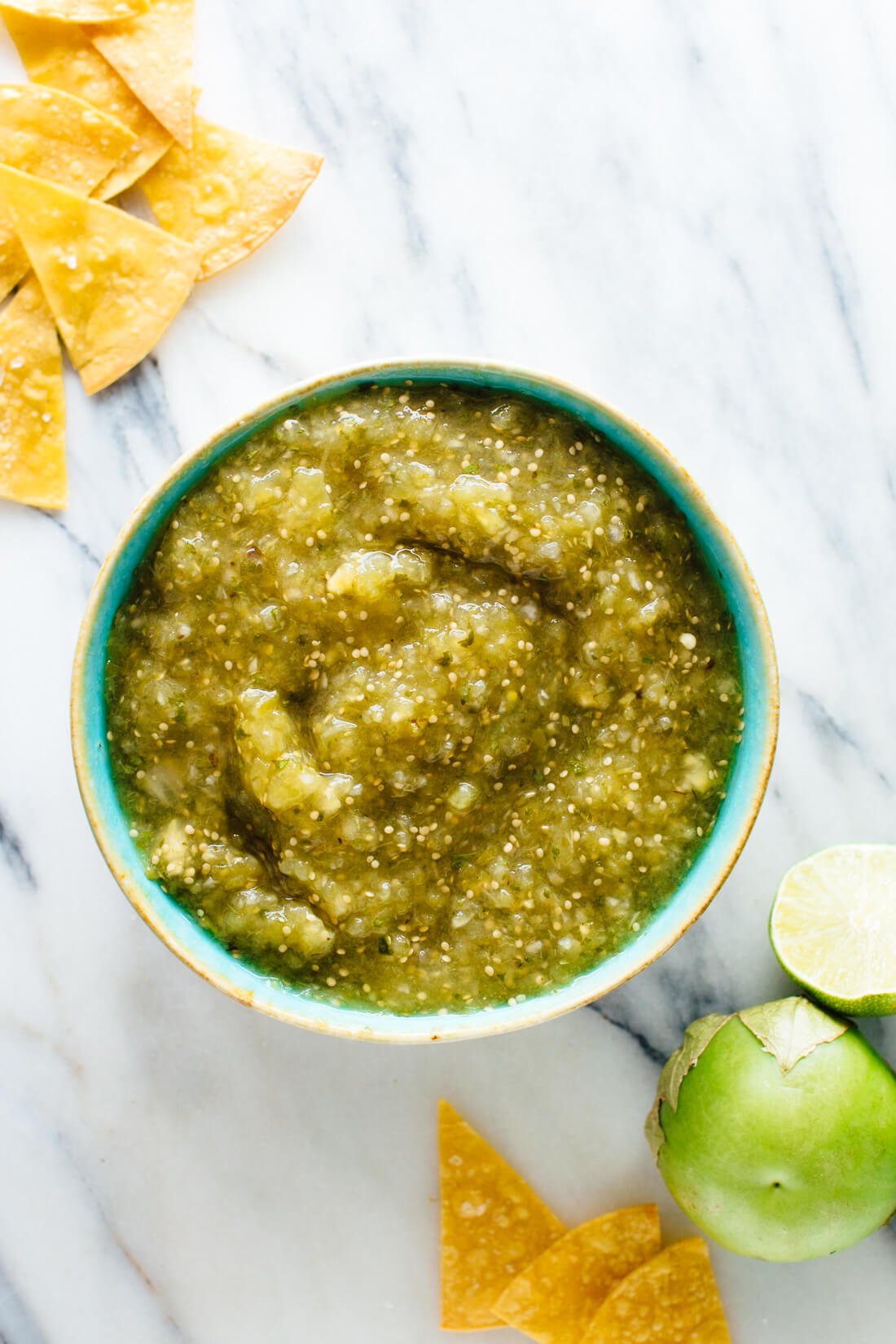
Homemade Salsa Verde: Ditch the Jar for Fresh, Bright Flavor
Are you tired of bland, overly salty store-bought salsa verde that leaves you underwhelmed? It’s time to embark on a culinary journey that promises an explosion of vibrant, fresh flavor: making your own homemade salsa verde. Once you experience the unparalleled taste of a fresh batch, you'll likely echo the sentiment of many who exclaim, "I'm never going back to store-bought!" This guide will walk you through the simple joys and incredible versatility of crafting your own perfect green sauce.
The beauty of a great salsa verde recipe lies in its simplicity and the magic of natural ingredients. While some components might be designed for a complex dish, sometimes one element shines so brightly it stands alone, outperforming the sum of its parts. Homemade salsa verde is precisely that star – fresh, irresistible, and bursting with a brightness that jarred versions simply cannot replicate.
The Magic of Fresh Ingredients: Why Homemade Reigns Supreme
One of the most compelling reasons to embrace a homemade salsa verde recipe is the dynamic interplay of fresh produce. Unlike the standardized flavors of mass-produced condiments, each batch of homemade salsa verde tells its own unique story. Even with the same core ingredients, you'll discover subtle variations in taste, a testament to the beautiful unpredictability of nature.
- Tomatillos: The Heart of Your Salsa Verde
These vibrant green spheres, often mistaken for small green tomatoes encased in a papery husk, are the undisputed foundation of salsa verde. When selecting tomatillos, look for firm, bright green fruit with husks that are tightly wrapped and feel slightly sticky underneath. While you can visually inspect them for ripeness and color, their true flavor potential remains a delightful mystery until you taste them. This variability is not a flaw, but a feature, contributing to the unique character of each batch. - Chiles: Igniting the Spice
The classic heat in salsa verde typically comes from jalapeño or serrano peppers. Jalapeños offer a more moderate warmth, while serranos deliver a feistier kick. The spice level of these peppers can vary wildly even within the same harvest – some might be mild, others surprisingly potent. This means you have the power to tailor the heat to your preference, something a jarred sauce rarely offers. - Aromatic Essentials: Onion and Cilantro
Fresh white onion and cilantro are non-negotiable for an authentic salsa verde. Their pungent, earthy, and herbaceous notes provide crucial depth and freshness that elevate the overall flavor profile. Like the chiles, the intensity of their flavor can vary, further contributing to the individuality of your homemade sauce.
This inherent variability is precisely why homemade is always superior. You're not just following a recipe; you're engaging with the ingredients, tasting, adjusting, and creating something truly bespoke. The process itself is part of the charm, and the guarantee is always a delicious, fresh sauce that far surpasses any salty jarred alternative.
Unlocking Flavor: Exploring Salsa Verde Preparation Methods
The world of Mexican green sauce, or salsa verde Mexicana, is rich with diverse techniques and regional variations. Depending on family traditions or geographic location, you'll find several popular methods for preparing this beloved condiment. Each approach coaxes different flavor profiles from the same basic ingredients, offering exciting versatility for your salsa verde recipe.
- Roasted Salsa Verde: The Smoky Depth
One of the most popular methods involves roasting all or some of the ingredients, particularly the tomatillos and chiles. Roasting caramelizes the natural sugars and adds a beautiful depth of flavor with distinct smoky notes. While some pre-made roasted salsas can taste overwhelmingly smoky, making it yourself gives you absolute control over the degree of char. You can achieve just the right balance, enhancing the ingredients without overpowering their natural freshness. - Boiled/Simmered Salsa Verde: The Traditional Staple
Perhaps the most common and straightforward method, boiling or simmering the tomatillos and chiles until tender, allows their flavors to meld beautifully. This yields a brighter, often tangier salsa that is perfect as a versatile table sauce. - Fresh (Raw) Salsa Verde: Vibrant and Zesty
For an incredibly vibrant and zesty experience, some salsa verde recipes call for blending all the ingredients raw. This preserves the lively, sharp flavors of the tomatillos, chiles, onion, and cilantro, creating a very fresh and pungent sauce. - Fried Tomatillo Salsa Verde: Richness and Complexity
A less common but incredibly flavorful technique involves boiling the tomatillos and peppers, then frying the blended salsa in a little oil. This extra step deepens the color and adds a wonderful richness and complexity to the sauce, creating a distinct mouthfeel.
Each method offers a unique journey for your palate, proving that the versatility of homemade salsa verde extends far beyond its ingredients to its very preparation. Don't be afraid to experiment to find your favorite!
Beyond the Chip: Versatile Uses for Your Homemade Salsa Verde
While a bowl of tortilla chips and a generous serving of homemade salsa verde is a match made in heaven, this vibrant green sauce is capable of so much more. Its bright, tangy, and sometimes spicy profile makes it an incredibly versatile condiment, able to elevate a vast array of dishes, much like its red tomato counterpart.
Consider integrating your fresh salsa verde into:
- Breakfast & Brunch:
- Chilaquiles Verdes: A classic Mexican breakfast dish where tortilla chips are simmered in salsa verde until tender, often topped with crema, cheese, and a fried egg.
- Huevos Rancheros: Drizzle over fried eggs atop tortillas with refried beans.
- Breakfast Tacos & Frittatas: A spoonful adds a zesty kick to any egg-based creation.
- Hearty Mains:
- Enchiladas Verdes: The quintessential use! Smother rolled tortillas filled with chicken, cheese, or vegetables in a luscious salsa verde.
- Pork in Salsa Verde (Puerco en Salsa Verde): A comforting stew featuring tender pork simmered in green sauce.
- Chicken Tamales in Green Sauce: A flavorful filling for traditional tamales.
- Tacos: From al pastor to carnitas, a dollop of fresh salsa verde is always a welcome addition.
- Unexpected Pairings:
- Sweet Potatoes: Surprisingly, the tangy salsa verde beautifully complements the sweetness of roasted sweet potatoes, perfect for burritos or burrito bowls.
- Grilled Meats & Fish: A fresh salsa verde can act as a bright marinade or a zesty finishing sauce for grilled chicken, steak, or white fish.
- As a Dressing: Thin it out slightly and use it as a vibrant dressing for salads or grain bowls.
The Creamy Avocado Salsa Verde Twist
For an extra layer of richness and a milder, creamier texture, you can transform your regular salsa verde into a luxurious avocado version. Simply take half of your freshly blended salsa verde and blend in a diced ripe avocado until smooth. This creamy green sauce is fantastic with fish tacos, as a dip, or drizzled over anything that could use a touch of velvety indulgence. For the ultimate dipping experience, serve your creamy avocado salsa verde alongside your favorite guacamole recipe and a mountain of crispy tortilla chips – truly the best of both worlds!
Tips for Your Best Salsa Verde Recipe Yet
Crafting the perfect homemade salsa verde is more an art than a strict science, especially given the natural variations in fresh produce. Here are some practical tips to help you achieve your most flavorful batch:
- Selecting Tomatillos: Beyond firmness and bright green skin, gently peel back a small section of the husk to check for any blemishes. The stickiness under the husk is normal and a sign of freshness.
- Controlling the Heat: If you're sensitive to spice, start with fewer jalapeños or serranos. For less heat, remove the seeds and white membranes (pith) from the chiles, as this is where most of the capsaicin resides. You can always add more heat later by blending in a small piece of raw chile or a pinch of red pepper flakes.
- Taste and Adjust: This is perhaps the most crucial tip. After blending, always taste your salsa. Does it need more salt? A squeeze of lime juice can brighten flavors that seem dull. A little more fresh cilantro can enhance its herbaceous notes. Don't be afraid to tweak it until it sings to your palate.
- Roasting Perfection: If roasting, arrange your tomatillos and chiles in a single layer on a baking sheet. Avoid overcrowding. Roast until the tomatillos are soft and slightly charred, and the chiles are softened and blistered. This caramelization is key to developing that desirable smoky depth without making it taste "too roasted."
- Embrace the "Simple is Best" Philosophy: Don't overthink it. The beauty of this salsa is in its straightforward nature. Trust the process, use good quality fresh ingredients, and you'll inevitably end up with something awesome.
- Storage: Store your homemade salsa verde in an airtight container in the refrigerator for up to 5-7 days. It can also be frozen for longer storage, though fresh is always best.
There's an undeniable satisfaction in creating something so fresh and flavorful from scratch. Homemade salsa verde isn't just a condiment; it's a testament to the power of simple ingredients, a celebration of vibrant flavors, and a delicious way to elevate countless meals. So, skip the jar, grab those tomatillos, and prepare to be amazed by the bright, irresistible taste of your very own salsa verde recipe.
